
Acupuncture for IBS, Bloating and Digestive Issues in Denver

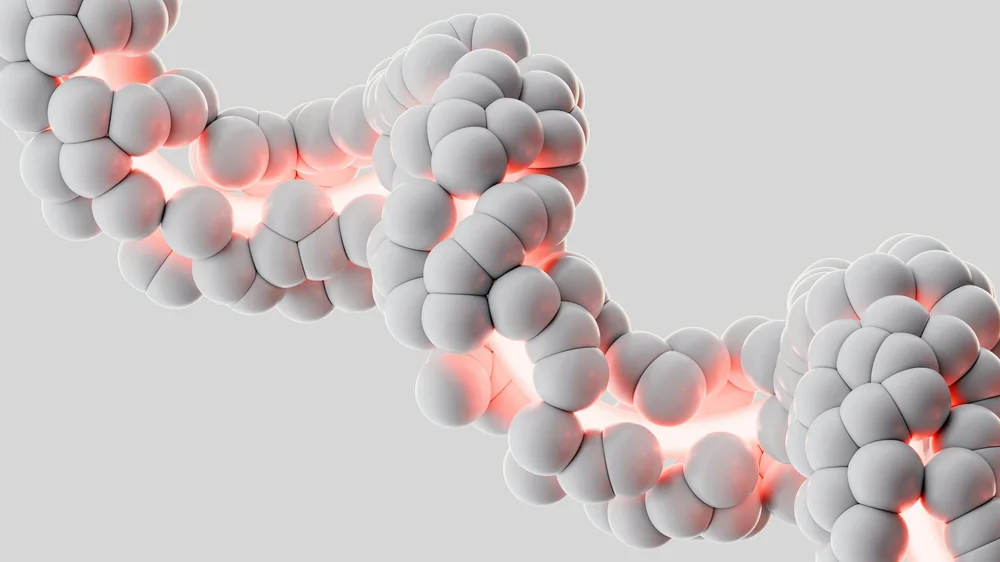
Digestive problems I treat
- Irritable bowel syndrome, constipation, diarrhea or mixed
- Bloating and gas, especially the kind that builds through the afternoon
- Acid reflux, heartburn and food that feels stuck
- Chronic constipation
- Nausea, including from medication and pregnancy
- Loss of appetite and indigestion under stress
- Crohn's or colitis, as support alongside your gastroenterologist
How acupuncture treats digestive problems
The gut and the nervous system are wired together, which is why a stressful week shows up in your stomach. Acupuncture works mostly through that connection, shifting the body from fight-or-flight into rest-and-digest so the stomach empties and the bowel moves at a normal pace.

Calms the gut-brain connection
Points on the lower legs, forearms and abdomen quiet the stress response that drives cramping, urgency and appetite changes. Many people feel their stomach settle during the first visit.

Works with herbs and food habits
For digestion I usually add Chinese herbal medicine, because the gut needs daily input between visits. I also look at what and when you eat, to find the two or three habits doing the most damage, not to hand you a restrictive diet.
Eases cramping, bloating and reflux
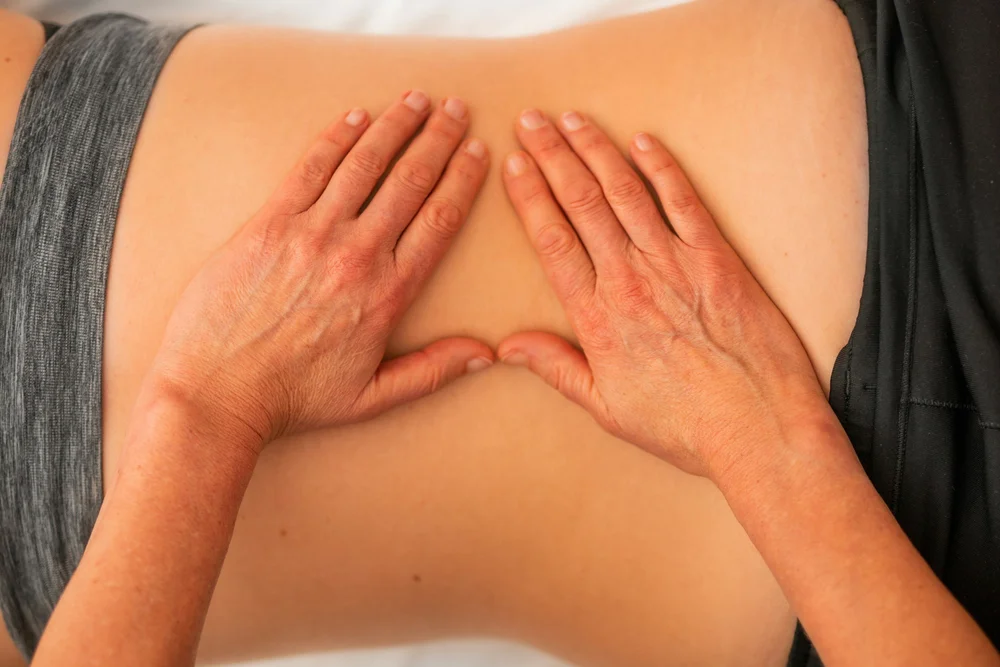
Points on the abdomen act locally on cramping and the sense of fullness, while points on the legs help the stomach empty. Nausea often improves within 1 to 3 visits, and bloating and reflux within 3 to 5.

Backed by IBS research
A 531-person trial found six weeks of acupuncture reduced IBS symptoms more than standard medication (Pei et al., 2020, Mayo Clinic Proceedings). A UK primary-care trial of 233 people found 49 percent improved at three months versus 31 percent with usual care alone (MacPherson et al., 2012).
Your treatment plan
Your first visit
We start with a long conversation about your digestion: what you eat, when symptoms come on, what makes them better or worse, and how you sleep and handle stress. I take your pulse, look at your tongue and feel your abdomen, then you get a full treatment the same day. If herbs make sense, we talk about them before you leave.
Short visits that fit your week
Digestive problems respond well to frequent, shorter sessions, so most follow-ups are 30 minutes. That makes it realistic to come once or twice a week at the start without it taking over your schedule.
How many visits to expect
Depending on the cause nausea often improves within one to three visits. IBS, bloating, acid reflux and chronic constipation usually take a course of two to three short visits a week for six weeks, with herbs in between, and then we space visits out as you improve. I give you an honest estimate at the first visit.
When I send you to a doctor first
If you have blood in your stool or black, tarry stools, unexplained weight loss, trouble or pain swallowing, repeated vomiting, a fever, severe or constant abdominal pain, diarrhea that wakes you at night, anemia, a family history of colon cancer, celiac disease or inflammatory bowel disease, or symptoms that began after 50 and have not been evaluated, I will ask you to see a gastroenterologist or your doctor first.
Ready to start? Book online or call or text (720) 285-6251.

Getting here, hours and what to wear
Easy to reach
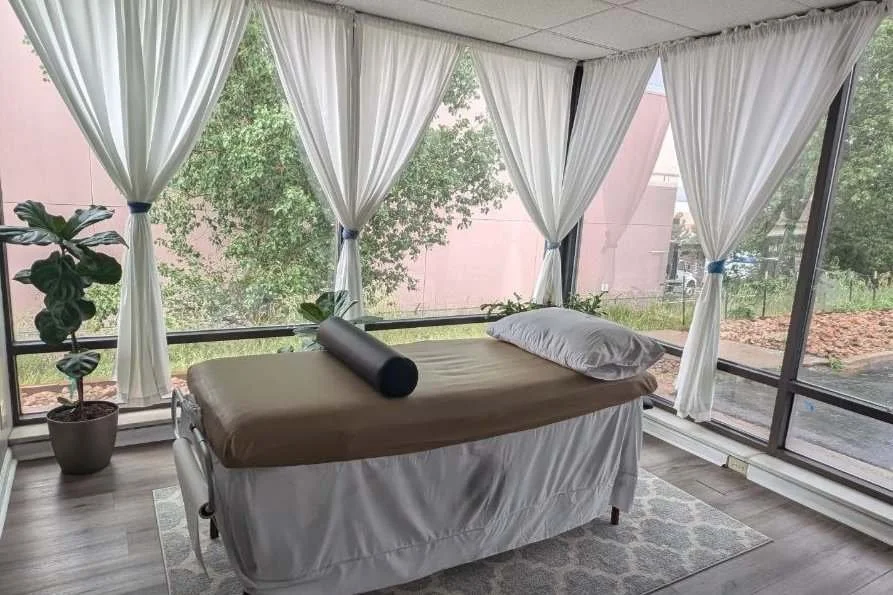
The clinic is at 3600 South Beeler Street, Suite 150. You’ll find a parking lot with plenty of spots at the clinic, and street parking is available nearby. The 30-minute digestive visit fits a lunch break for people working in the Denver Tech Center or Greenwood Village.
Open after work
The clinic is open until 7 p.m. Monday through Wednesday for patients coming after work from Cherry Creek, Glendale, University Hills and southwest Aurora.
What to wear
Usually you do not need to undress. Most points are on the lower legs, forearms and abdomen, so wear clothing that rolls past the knees and elbows and a top that can be lifted to expose the belly.
500+ five-star reviews across Google, ClassPass and Groupon
—R ZThank you for everything you have done to support my family over the years. Your ethics set a standard far exceeding that of most physicians we have encountered. With heartfelt gratitude, Lo and Offa have lived better lives thanks to your knowledge and guidance. You are a significant reason we have not lost hope.
—JohnnyHe recommended trying to add more fermented foods and beverages into my diet to address some issues. It's been a couple weeks of following his advice and I've noticed some positive changes.
“Mike is so thorough and knowledgeable. Best acupuncture experience I have ever had. I will definitely be going back!”
“The owner Michael was super nice and very knowledgeable! I had a great experience!”
“This is the first time I’ve ever had acupuncture and cupping, and it was great. Definitely recommend.”
Prices
Free in-person or phone consultation
New Patients
Returning Patients
I accept cash, all major credit cards, and HSA/FSA cards. I do not bill insurance directly, but I can provide a superbill you can submit to your insurance company for possible reimbursement.
Does acupuncture hurt?
Rarely, and never the way an injection does. Acupuncture needles are about the width of a human hair. Most people feel a brief tap, then a dull, heavy or warm sensation that fades in a few seconds. If any point feels sharp, tell me and I will adjust or remove it.
How many acupuncture treatments does it take for IBS?
IBS responds best to short, frequent visits: 30 minutes, 1 to 2 times a week for 6 weeks, with herbs between visits. Nausea often improves within 1 to 3 visits, and bloating and reflux within 3 to 5.
How does acupuncture work?
Acupuncture stimulates specific points with very fine needles. That signals the nervous system to release endorphins, increases local blood flow, calms the stress response and reduces inflammation. In Chinese medicine terms it restores smooth movement of qi and blood where it has stalled. I choose points from your symptoms, history, pulse and exam, so no two plans are identical.
Do I need to undress for digestive acupuncture?
Usually not. Most points are on the lower legs, forearms and abdomen. Wear clothing that can be rolled past the knees and elbows, and a top that can be lifted to expose the belly.
Should I eat before my appointment?
Have a light meal an hour or two before. Do not arrive hungry, and do not arrive right after a large meal, since lying down on a full stomach is uncomfortable.
How can I book an appointment?
Book online at acusimple.com/access/4476, or call or text (720) 285-6251.
Do you take insurance for acupuncture?
I do not bill insurance directly, but I provide a superbill after each visit for you to submit. HSA and FSA cards are accepted, along with cash and all major cards.