
Tuina and Acupressure Massage in Denver
What I use Tuina for
- Neck pain and stiffness, including the "I slept wrong" neck that will not turn
- Low back pain, hip tightness and sciatica
- Shoulder pain, frozen shoulder and rotator cuff tightness
- Tension headaches that start in the neck and upper back
- Muscle strains and overuse injuries from running, cycling, climbing and skiing
- Stress that lives in the body as a tight chest, clenched jaw or shallow breathing
- People who do not want needles, since Tuina can replace acupuncture entirely
What Tuina is
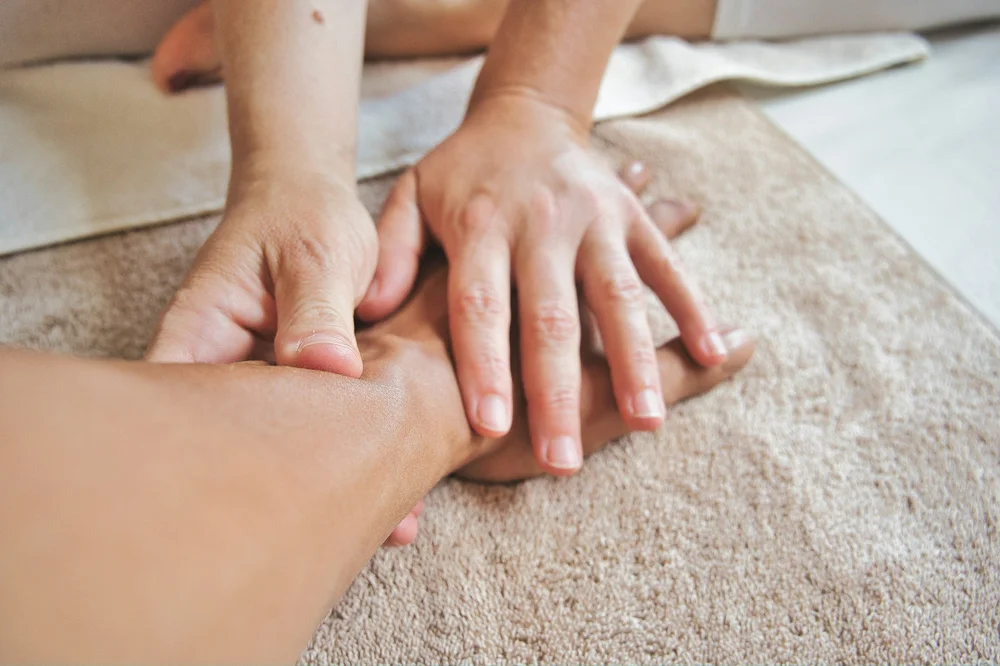
Tuina (pronounced "twee-nah") is the hands-on branch of Chinese medicine. It is similar to shiatsu, but it works along acupuncture channels. It uses pressing, kneading, rolling, stretching and joint mobilization along the same channels and points that acupuncture uses, and acupressure is the part that holds firm pressure on individual points. It is a treatment, not a spa service: you stay dressed and we work on a specific problem.

Treats a specific problem
A spa massage covers the whole body lightly. Tuina spends 30 to 60 minutes on the two or three areas causing the problem and works deeply enough to change them, closer to physical therapy or sports massage with the Chinese medicine map underneath.
A way in for the needle-shy
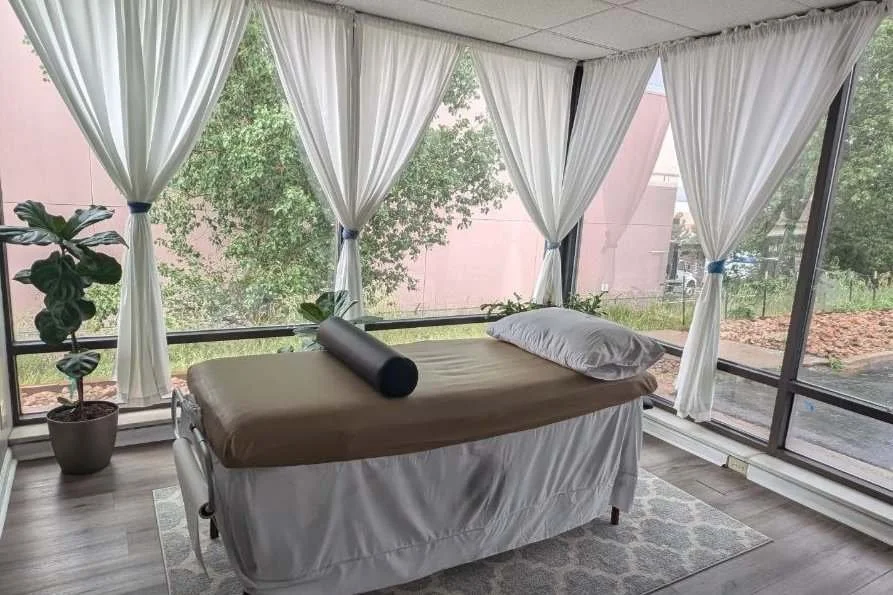
Many patients start with Tuina because they are nervous about needles. It can replace acupuncture entirely, and it is a natural step toward trying acupuncture once you trust the process.
Releases tight muscles
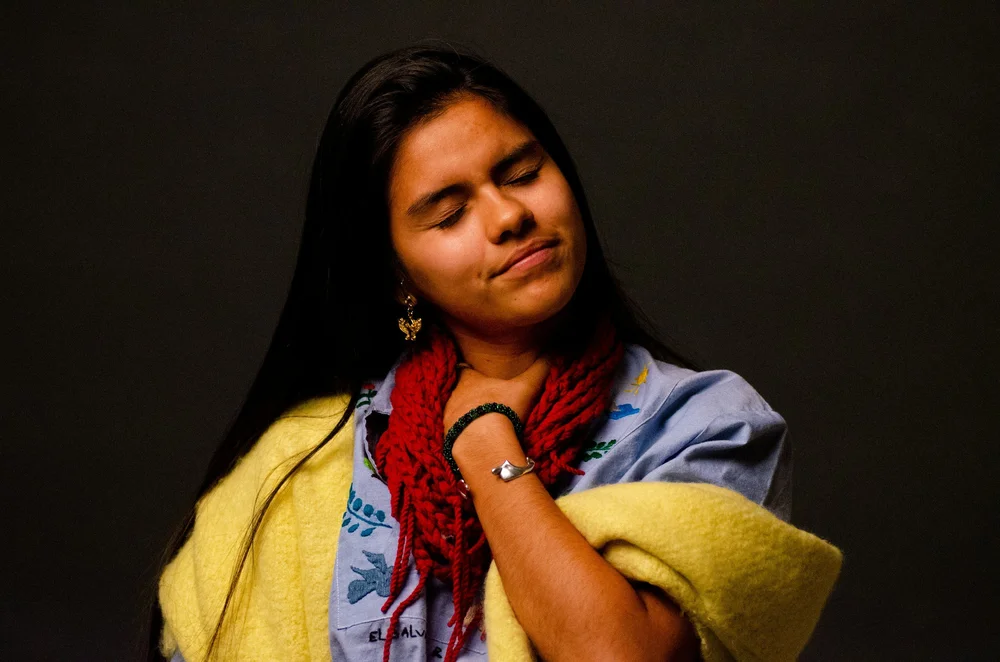
Slow work beside the spine, pressure at the base of the skull for a tension headache, traction of the neck and a hip stretch for a tight low back. Most people leave looser and a little tired, the way you feel after a good workout.

Backed by a Berlin trial
A trial at the Charité hospital in Berlin gave 92 people with chronic neck pain six Tuina sessions over three weeks. Their pain dropped meaningfully at four weeks and stayed lower at twelve (Pach et al., 2018). It compared Tuina with no treatment, not with massage or physical therapy.
Your Tuina visit
Your first visit
You wear loose clothing, such as athletic wear, and lie on the table. We spend a few minutes on what hurts and how it started, then I work. The pressure is firm and specific. A tight spot can be tender for a moment, but you set the limit and I stay under it. A first visit is 60 minutes, and follow-ups are 30 or 60 minutes depending on how many areas we are treating.
Afterward
Most people feel looser and a little tired, the way you do after a good workout. Mild soreness the next day is normal and fades within a day. Drink water, move gently, and avoid heavy lifting that evening.
How many visits to expect
An acute neck or back strain usually settles in 2 to 4 sessions. Chronic tension takes 4 to 8, weekly at first and then every two to four weeks as maintenance.
Combine it with other care
In a 90-minute visit I can needle first and then work the tissue by hand while the needles are out, which is my preferred approach for stubborn neck and back pain. Cupping added to Tuina pulls loose what the hands have warmed up.
Ready to start? Book online or call or text (720) 285-6251.

Tuina patients from across southeast Denver
Easy to reach
The clinic is at 3600 South Beeler Street, Suite 150. A parking lot with ample space is available on site, with additional street parking nearby. Cherry Creek, Glendale, University Hills and southwest Aurora are all within ten minutes.
Lunch or after work
Many Tuina patients come over from offices in the Denver Tech Center and Greenwood Village for a 60-minute visit at lunch or after work. The clinic is open until 7 p.m. Monday through Wednesday for that reason.
No undressing
Tuina is done through clothing. Wear something loose, such as athletic wear, that lets me move your arms and legs freely.
500+ five-star reviews across Google, ClassPass and Groupon
—Arquez G.I definitely recommend the Tuina massage especially if you have specific areas bothering you. He always finds the exact spots causing me pain and really focuses on them.
—WhitneyLiterally life changing. Better than any deep tissue massage I’ve ever had. Cupping is my new go-to. Michael knows what he’s doing.
“Mike is so thorough and knowledgeable. Best acupuncture experience I have ever had. I will definitely be going back!”
“The owner Michael was super nice and very knowledgeable! I had a great experience!”
“This is the first time I’ve ever had acupuncture and cupping, and it was great. Definitely recommend.”
Prices
Free in-person or phone consultation
New patients can start here. I go over your health history and goals and tell you honestly whether acupuncture is a good fit.
New Patients
Returning Patients
Frequently Asked Questions
Does Tuina hurt?
It is firm, and a very tight spot can be tender while I work on it. It should never be sharp or more than you want. Tell me and I will ease off. Mild soreness the next day is normal.
Do I need to undress for Tuina?
No. Tuina is done through clothing. Wear something loose, such as athletic wear, that lets me move your arms and legs freely.
What is the difference between Tuina and a regular massage?
A regular massage relaxes the whole body. Tuina treats a specific problem, works deeper on the areas that cause it, and follows the Chinese medicine channel system. It is closer to sports massage or manual therapy than to a spa treatment.
Can I combine Tuina with acupuncture?
Yes, and for neck and back pain that is usually the best option. A 90-minute visit with acupuncture and Tuina is $130 for follow-ups. If you prefer no needles, Tuina alone works well.
How many Tuina sessions will I need?
An acute neck or back strain usually settles in 2 to 4 sessions. Chronic tension takes 4 to 8, weekly at first and then every two to four weeks as maintenance.
Do you take insurance for Tuina?
I do not bill insurance directly, but I provide a superbill after each visit. HSA and FSA cards are accepted.
How can I book Tuina massage in Denver?
Book online at acusimple.com/access/4476, or call or text (720) 285-6251.