
Acupuncture for Mental Health in Denver


What I treat
- Anxiety, including generalized anxiety and panic attacks
- Stress and burnout, especially from demanding work
- Insomnia: trouble falling asleep, staying asleep or waking too early
- Low mood and depression, as support alongside therapy or medication
- Premenstrual mood changes and PMDD
- The physical side of stress: tension headaches, tight chest, clenched jaw
- Trauma and PTSD, as a calming adjunct to professional care
- Recovery from substance use, as a calming adjunct to professional care
- Anxiety before a procedure, exam or flight
How acupuncture helps
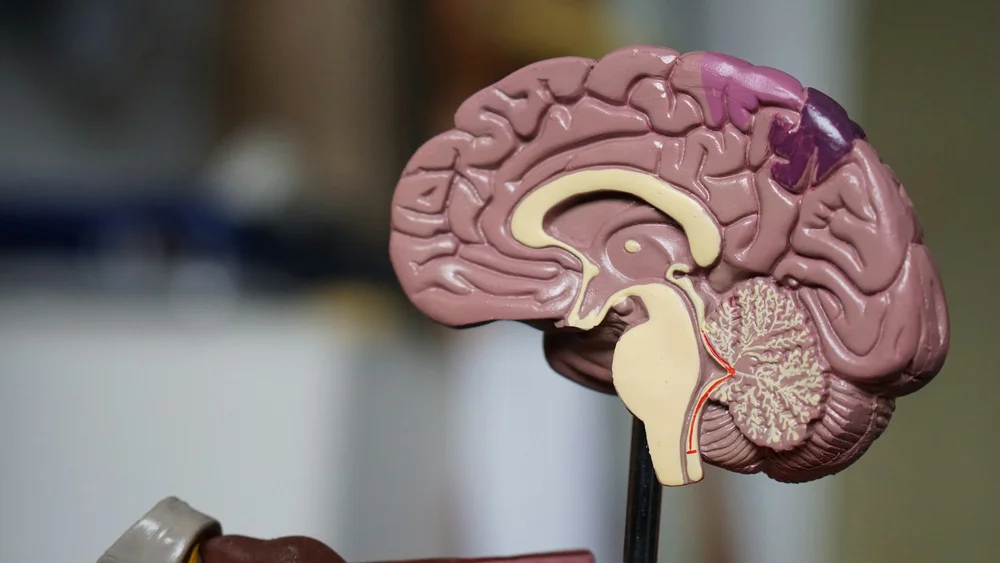
Anxiety is a nervous system stuck in the on position. Acupuncture gives it a clear, physical signal to switch off. Within a few minutes of the needles going in, breathing slows, the shoulders drop, and many people fall asleep on the table during their first visit.

Calms the nervous system
Points on the ears, wrists, lower legs and the top of the head do most of this work. Many people leave noticeably calmer than they arrived.
Sleep and the body
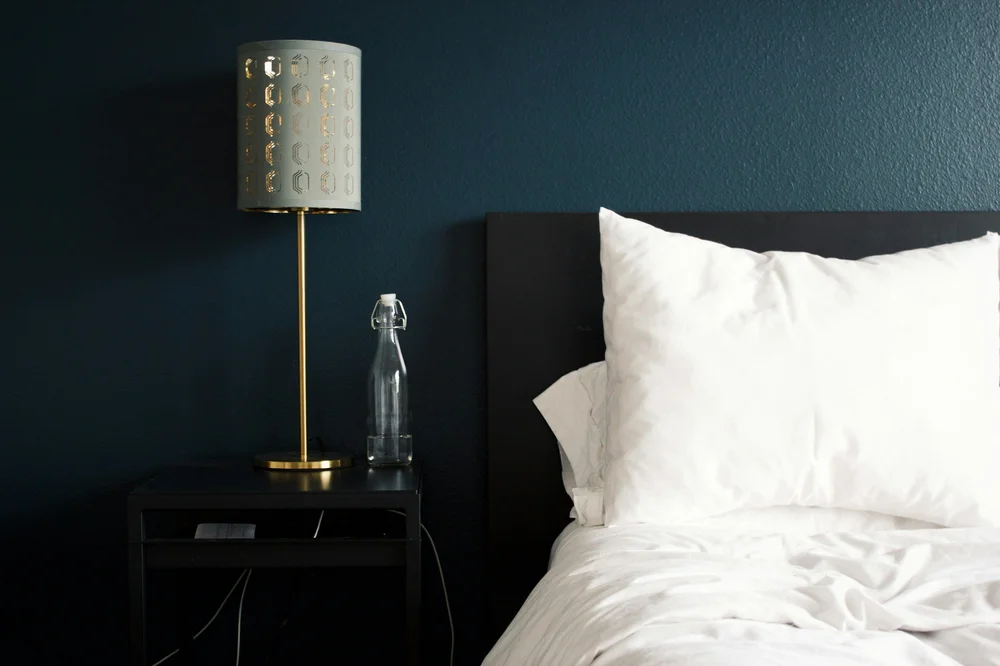
For sleep, I often add Chinese herbs taken in the evening. For stress that sits in the body, I add cupping across the upper back, which releases the shoulders faster than anything else I do. Between visits, ear seeds on a few points of the outer ear let you keep pressing the calming points at home.

Lasting calm with weekly visits
Done weekly, the calm starts to last longer between visits. People notice they are sleeping through the night, that the Sunday-evening dread has eased, that the panic they expected in a meeting did not show up.
What the research says
A 2018 systematic review of 13 trials concluded that acupuncture is a valid treatment for anxiety disorders, with no significant adverse effects (Amorim et al., 2018). For depression the evidence is thinner: a Cochrane review of 64 trials found benefit but rated it low quality, so I treat acupuncture as a useful addition to therapy and medication, not a substitute (Smith et al., 2018).
Your treatment plan
Your first visit
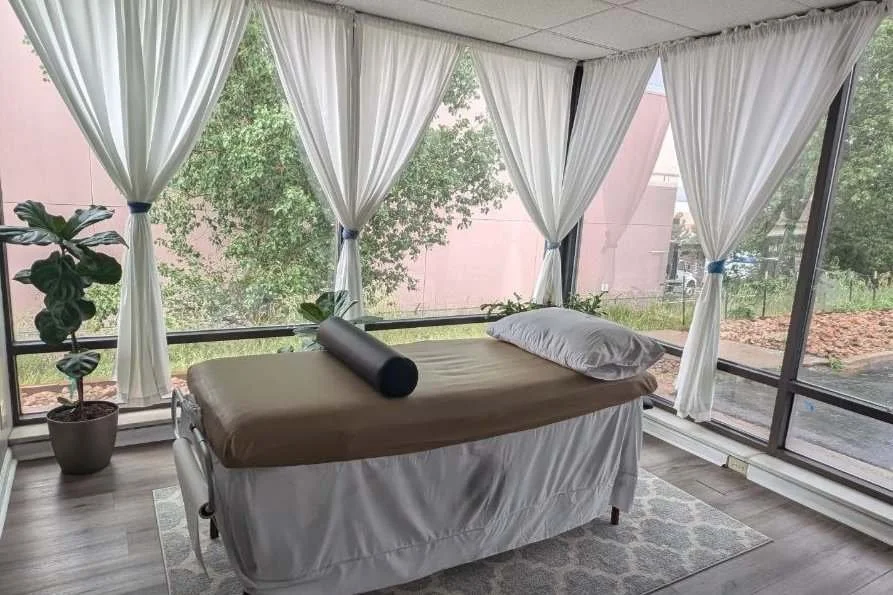
We talk about what is going on, how you sleep, what your days look like, what you have tried and what you are taking. I take your pulse and look at your tongue. Then you rest on a heated table with the needles in for 25 to 30 minutes, in a quiet room. Most people leave noticeably calmer than they arrived.
Visits that fit how you are doing
Follow-ups can be 30, 60 or 90 minutes. When stress is living in your shoulders I add cupping, and once you are stable a short visit works well as a quick reset.
How many visits to expect
Ongoing anxiety usually takes about six to eight weekly visits, then every two to four weeks. Insomnia responds best to eight to twelve visits over four weeks. For anxiety before a procedure, exam or flight, a single visit with ear points is often enough, and sleep often improves within the first two or three visits.
Therapy and medication
Acupuncture works alongside therapy and prescriptions, not instead of them. If I think you need a therapist or a prescriber and you do not have one, I will say so and help you find one in Denver. If you are in crisis, call or text 988.

Patients from across southeast Denver
Easy to reach
The clinic is at 3600 South Beeler Street, Suite 150. You’ll find a parking lot with plenty of spots at the clinic, and street parking is available nearby. Patients come from the Denver Tech Center, Greenwood Village, Cherry Creek, Glendale, University Hills and southwest Aurora.
Open after work
The clinic is open until 7 p.m. Monday through Wednesday, so most people can come after work.
Private and one-on-one
Every visit is private and one-on-one with me, which matters for this kind of work.
500+ five-star reviews across Google, ClassPass and Groupon
—Megan S.Michael is very experienced and professional. Walked in stressed out and tense, walked out incredibly relaxed.
—bvictoria210Highly professional I felt so comfortable and at ease I felt the practitioner really cared. I am so happy I made the decision to go I finally had a restful sleep!
“Mike is so thorough and knowledgeable. Best acupuncture experience I have ever had. I will definitely be going back!”
“The owner Michael was super nice and very knowledgeable! I had a great experience!”
“This is the first time I’ve ever had acupuncture and cupping, and it was great. Definitely recommend.”
Prices
Free in-person or phone consultation
New Patients
Returning Patients
I accept cash, all major credit cards, and HSA/FSA cards. I do not bill insurance directly, but I can provide a superbill you can submit to your insurance company for possible reimbursement.
Frequently Asked Questions
Does acupuncture hurt?
Rarely, and never the way an injection does. Acupuncture needles are about the width of a human hair. Most people feel a brief tap, then a dull, heavy or warm sensation that fades in a few seconds. If any point feels sharp, tell me and I will adjust or remove it.
How many acupuncture visits does it take for anxiety or insomnia?
Ongoing anxiety usually takes 6 to 8 visits. Insomnia responds best to 8 to 12 visits over 4 weeks. For anxiety before a procedure, exam or flight, a single visit with ear points is often enough. Most people notice a difference in sleep and baseline tension within 2 or 3 visits.
How does acupuncture work?
Acupuncture stimulates specific points with very fine needles. That signals the nervous system to release endorphins, increases local blood flow, calms the stress response and reduces inflammation. In Chinese medicine terms it restores smooth movement of qi and blood where it has stalled. I choose points from your symptoms, history, pulse and exam, so no two plans are identical.
Can I get acupuncture while taking antidepressants or anti-anxiety medication?
Yes. Acupuncture has no known drug interactions, and many of my patients take medication. Any change to your prescription is a decision for you and your prescriber, and I am glad to share notes with them.
Does acupuncture replace therapy?
No. Acupuncture calms the body; therapy changes the patterns of thinking and the circumstances that keep the body on alert. The two work well together, and I regularly treat patients alongside their therapists in Denver.
How can I book an appointment?
Book online at acusimple.com/access/4476, or call or text (720) 285-6251.
Do you take insurance for acupuncture?
I do not bill insurance directly, but I provide a superbill after each visit for you to submit. HSA and FSA cards are accepted, along with cash and all major cards.