
Acupuncture for Sports Injuries and Recovery in Denver
What brings people in with sports injuries
Runner's knee and IT band pain
Plantar fasciitis and heel pain
Achilles and patellar tendonitis
Tennis and golfer's elbow
Rotator cuff strain and shoulder overuse
Hamstring and calf strains, and ankle sprains once cleared
Stiffness and fatigue during a race block or ski season
How acupuncture treats sports injuries
Injured tissue needs blood flow to heal, and the muscles around an injury tend to guard it so tightly that blood flow drops. Acupuncture helps in four ways, and it works well alongside physical therapy, not instead of it. A 2018 analysis of 20,827 patients found it reduced chronic musculoskeletal and shoulder pain more than sham or no acupuncture, and a 2014 trial found trigger point needling reduced first-step heel pain at six weeks, though the average difference was modest.
It releases the guarding around an injury
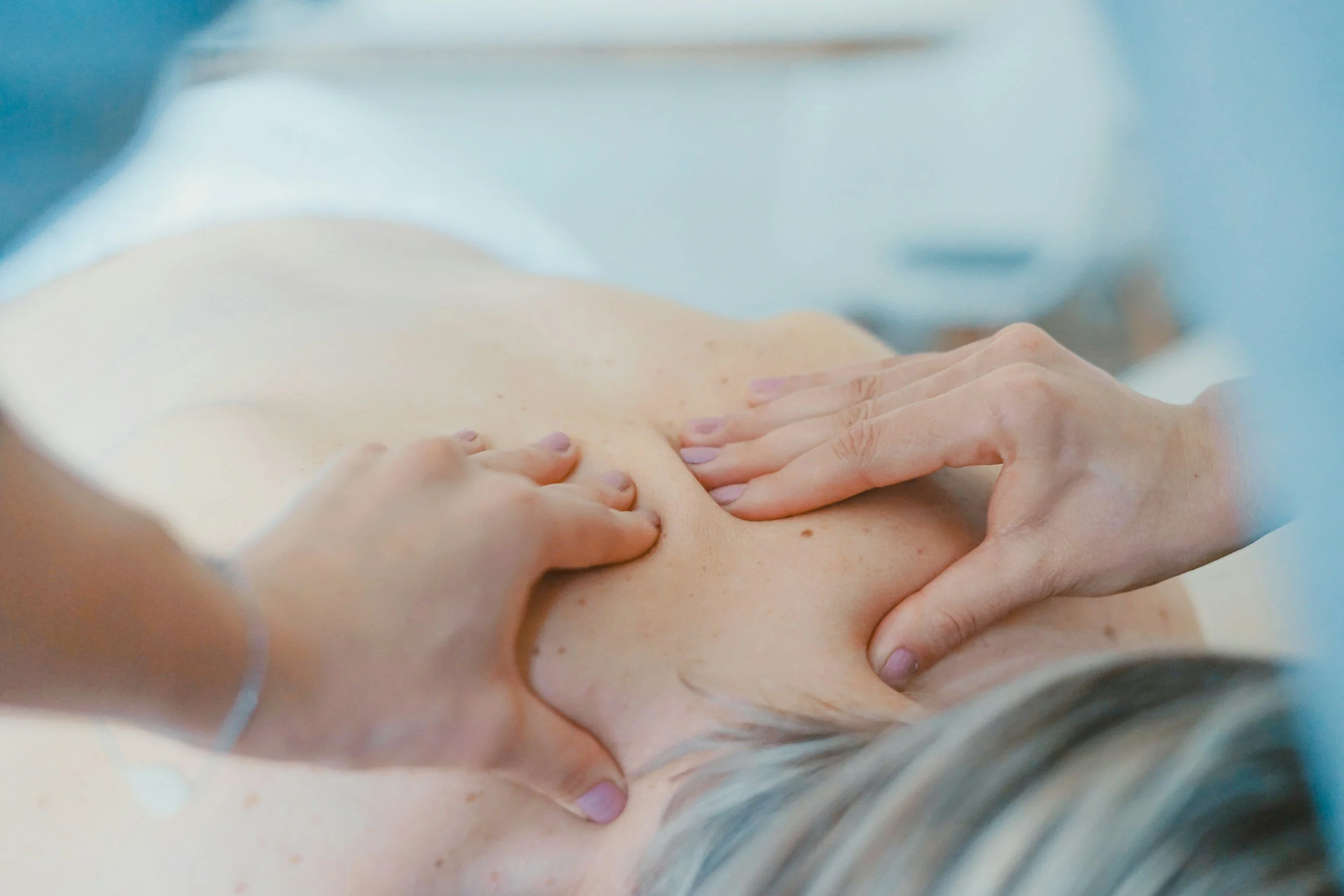
After an injury the surrounding muscles tighten to protect it and often fail to let go, which limits motion and pinches off blood flow. Needles in the tight bands around the injury interrupt that guarding reflex and let the muscle lengthen. I add Tuina when a shoulder or hip has lost range of motion.
It reaches tendons with electroacupuncture
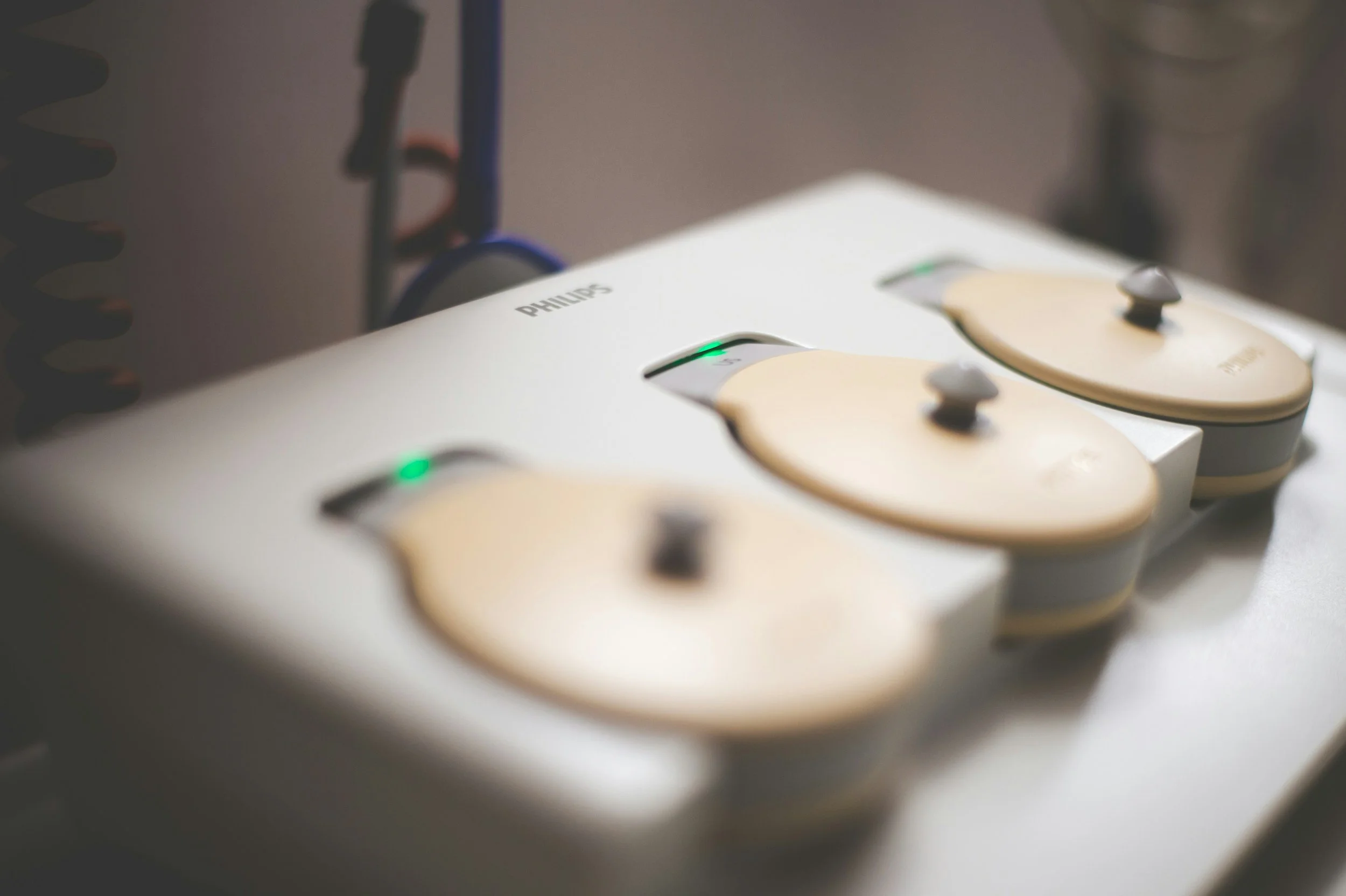
Tendons have a limited blood supply, so they heal slowly and the pain they cause can be stubborn. A gentle current run between two needles stimulates deeper tissue and helps reduce tendon and nerve pain. I use it for problems such as runner’s knee, Achilles and patellar tendonitis, and tennis or golfer’s elbow.
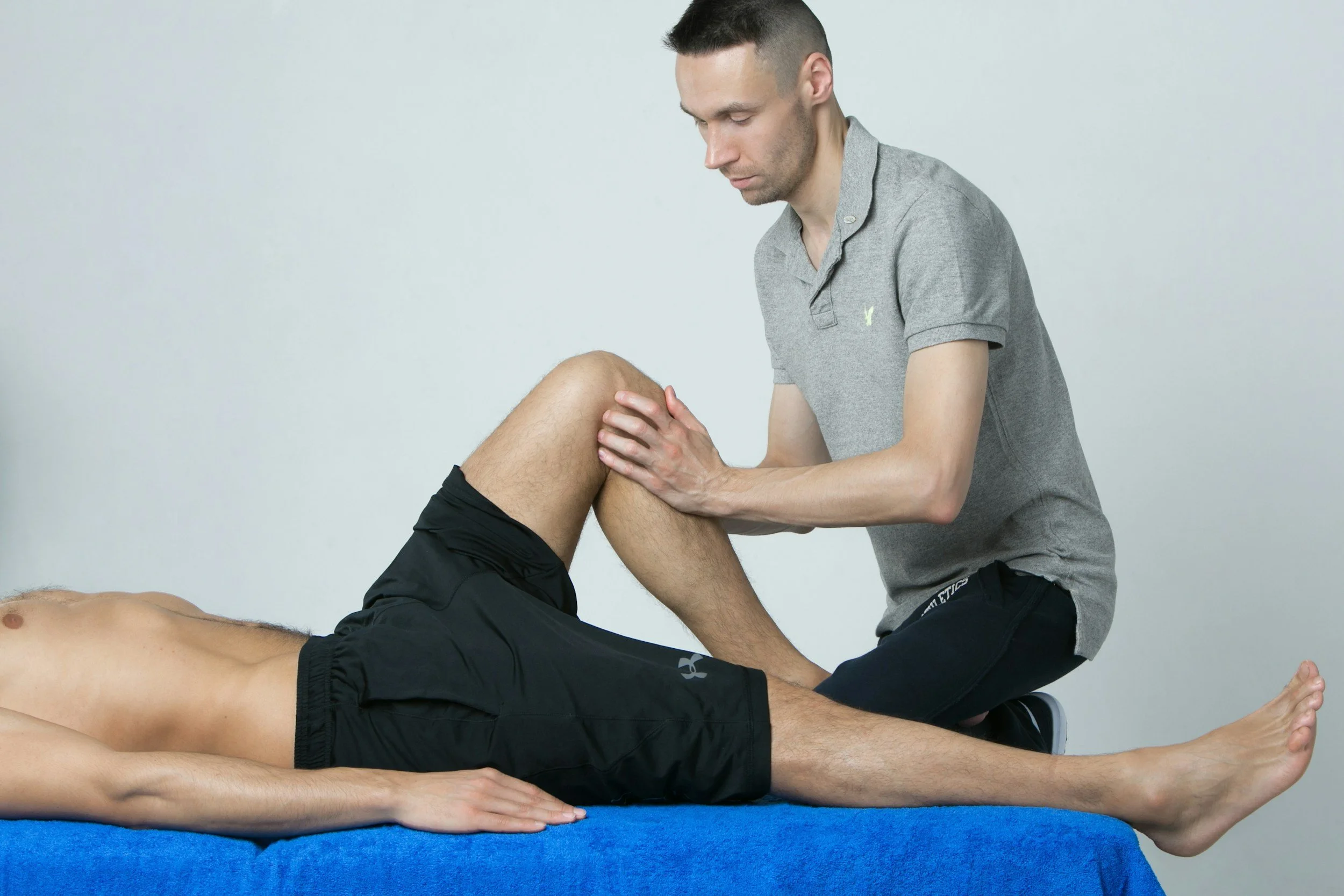
It increases circulation to healing tissue
Injured tissue needs oxygen and nutrients to repair, and tight guarding muscles squeeze off its blood supply. Needles at the injury site increase local circulation, which delivers what the tissue needs and clears the by-products of inflammation. Cupping over the quads, hamstrings, calves and back loosens fascia and helps clear soreness after a hard effort.
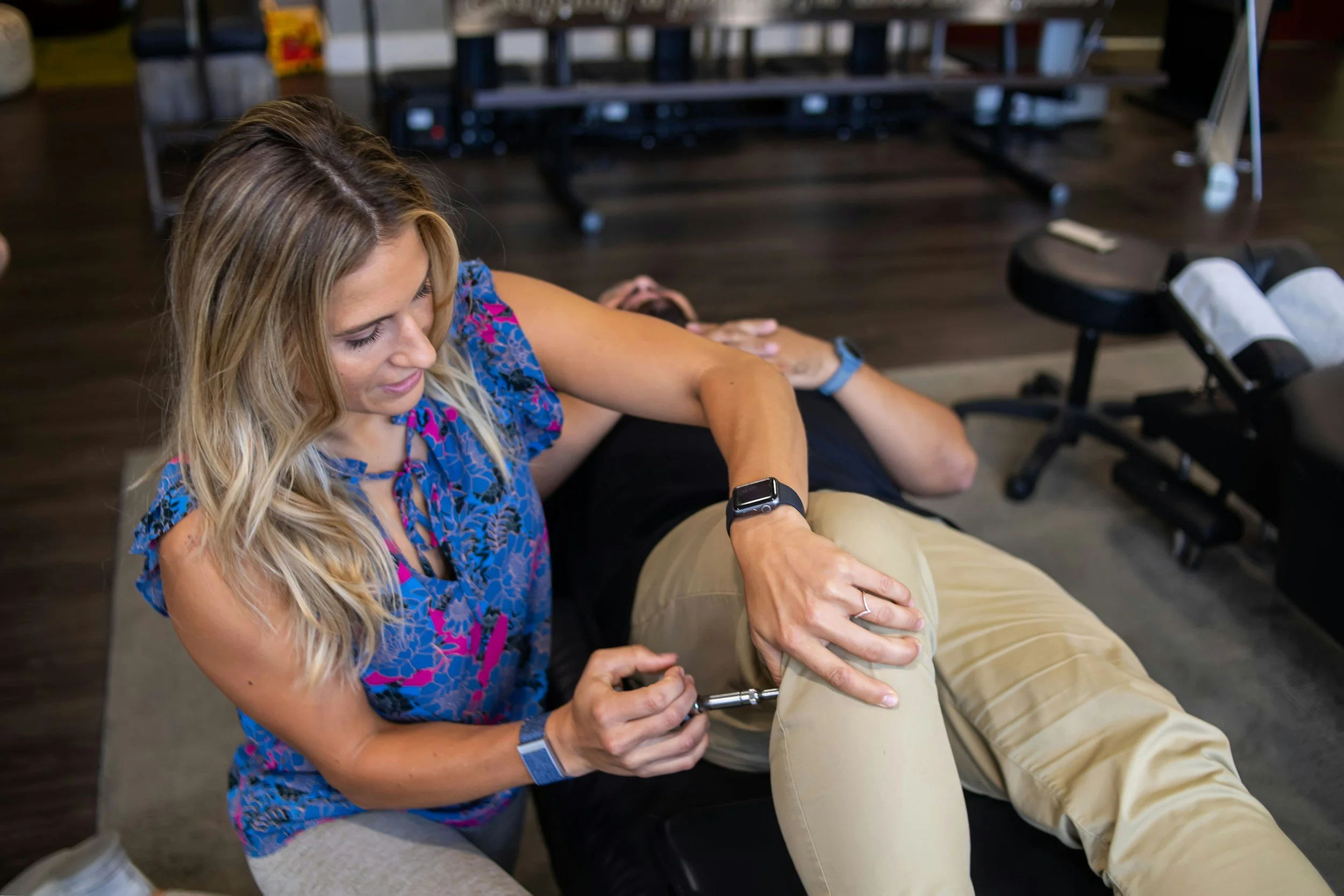
It turns down pain so you can keep rehabbing
Pain makes you protect an injury and move less, which slows recovery. Acupuncture changes how the spinal cord and brain process pain and prompts the release of the body’s own pain-relieving chemicals, so you can move and load the area more comfortably. It reduces pain and speeds recovery for most athletes I see, but it does not repair a torn ligament or a stress fracture, which need imaging and a physician first.

What to expect
What to wear and bring
Wear shorts or loose clothing that lets me reach the injured area, whether that is the knee, hip, shoulder, elbow or foot. Bring any imaging, notes from your physical therapist or physician, and your training schedule.
Your first visit
Plan on 90 minutes. We go over how the injury happened, what makes it better and worse, your training schedule and what your physical therapist or physician has said. I check how the joint moves and where the tissue is tender, then you get a full treatment the same day. I will refer you out first for an injury with a pop or tear you felt happen, a joint that gives way, swelling that is not going down, or pain that gets worse with rest, because those need a physician’s evaluation.
What it feels like
Most people feel a brief tap and then a dull, heavy ache that fades in seconds, and a tight muscle may twitch as it lets go. Electroacupuncture feels like a steady tapping or pulsing that I set to a level you are comfortable with. You rest on a heated table for 25 to 30 minutes.
How many visits
A recent strain or sprain usually takes three to five visits over two to three weeks. A tendon problem that has been around for months usually takes six to ten visits, because tendons heal slowly.
Add-ons that fit
I often add electroacupuncture for tendons, cupping for sore muscle and Tuina for a stiff shoulder or hip. Follow-ups are 60 minutes, or 90 minutes when I add cupping or Tuina, and during a training block many runners and cyclists come in every two weeks for a 60-minute session with cupping.

Why choose The Subtle Point
One practitioner, every visit
You see me, Michael Sugiura, L.Ac., Dipl. TCM (NCCAOM), at every visit. I am a Colorado licensed acupuncturist and have treated patients since 2017, the year I became licensed.
A private room, no rush
Every treatment is one-on-one in a private room on a heated table. You stay dressed for most treatments, and the visit is long enough to talk through what is going on.
Five-star reviews
Patients have left more than 500 five-star reviews across Google, ClassPass and Groupon, and the clinic holds a 5.0 rating on Google.
Easy to reach
3600 South Beeler Street, Suite 150, in Hampden Town Center at Hampden Avenue and I-25, with free parking at the door. Open until 7 p.m. Monday through Wednesday, and Friday and Saturday 9 a.m. to 5 p.m.
500+ five-star reviews across Google, ClassPass and Groupon

124 Five Star Reviews
Mike at subtle point is a pro! He has helped me numerous times deal with musculoskeletal pain in my back, legs, shoulder, neck and hands! He’s great at what he does and is very personable so I gladly give him five stars!
—Moe El Ali

247 Five Star Reviews
Michael was PERFECT! He asked a lot of questions about my pain and went to work on relieving it. The pain in my side that would wake me up every night for years has been gone for 4 days now thanks to the acupuncture. I also received such an amazing neck and head rub it made my toes tingle! I also noticed that I can go much deeper in my yoga poses after one treatment. Michael knows his work!
—Becky

146 Five Star Reviews
“Mike is so thorough and knowledgeable. Best acupuncture experience I have ever had. I will definitely be going back!”
“The owner Michael was super nice and very knowledgeable! I had a great experience!”
“This is the first time I’ve ever had acupuncture and cupping, and it was great. Definitely recommend.”
Prices
Payment
We accept cash, check, all major credit cards, and HSA/FSA cards. We don’t bill insurance directly, but we can provide a superbill you can submit to your insurance company for possible reimbursement.
Frequently Asked Questions
-
Rarely, and never the way an injection does. Acupuncture needles are about the width of a human hair. Most people feel a brief tap, then a dull, heavy or warm sensation that fades in a few seconds. If any point feels sharp, tell me and I will adjust or remove it.
-
Usually, with adjustments. For an acute strain I will ask you to back off for a week or two. For a chronic tendon problem we often keep you moving at a lower volume while the tissue recovers, because complete rest tends to make tendons worse, not better.
-
Acupuncture stimulates specific points with very fine needles. That signals the nervous system to release endorphins, increases local blood flow, calms the stress response and reduces inflammation. In Chinese medicine terms it restores smooth movement of qi and blood where it has stalled. I choose points from your symptoms, history, pulse and exam, so no two plans are identical.
-
Dry needling uses the same needles and targets trigger points in the muscle. It is one technique within acupuncture. I use it where it fits and add points away from the injury that reduce pain through the nervous system, plus electroacupuncture and cupping when they help.
-
It helps many of the patients I see with it. I needle the calf and the sole of the foot, which is tender but brief, and the first-step pain in the morning is usually the first thing to improve. Plan on six to eight visits for a case that has lasted more than a few months.
-
Once a physician has ruled out a fracture or a full tear, the sooner the better. Treating a strain in the first week reduces the guarding and swelling that slow healing. If you are not sure whether you need imaging, call or text and I will help you decide.
-
Yes. Many runners and cyclists come in every two weeks during a training block for cupping and acupuncture to reduce soreness and sleep better.